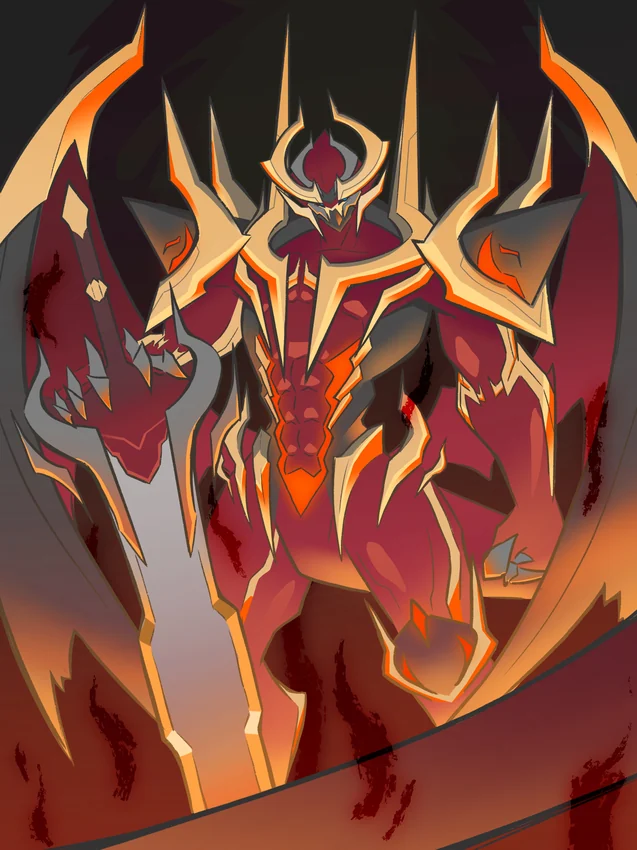
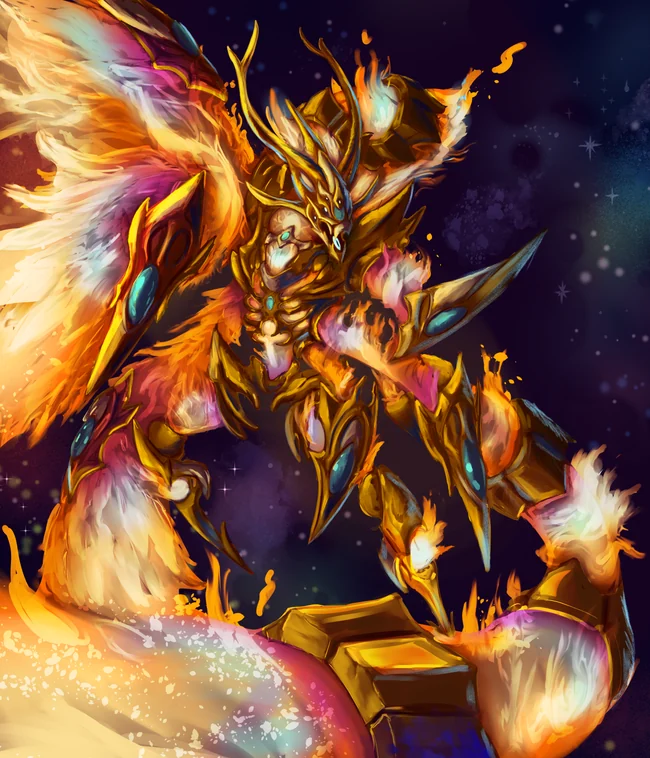
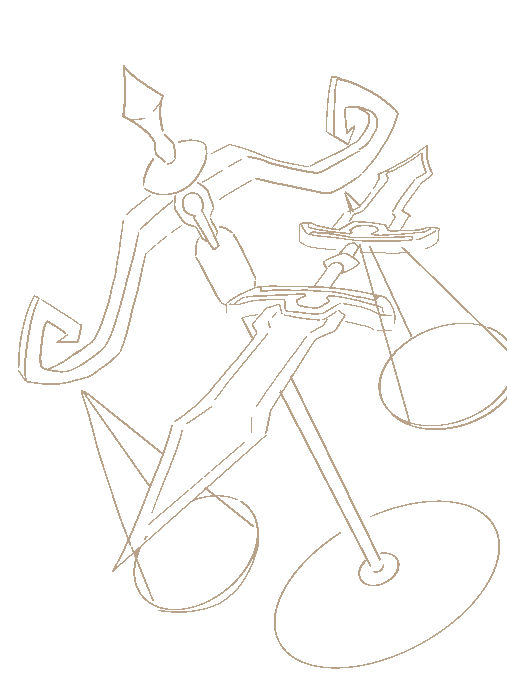
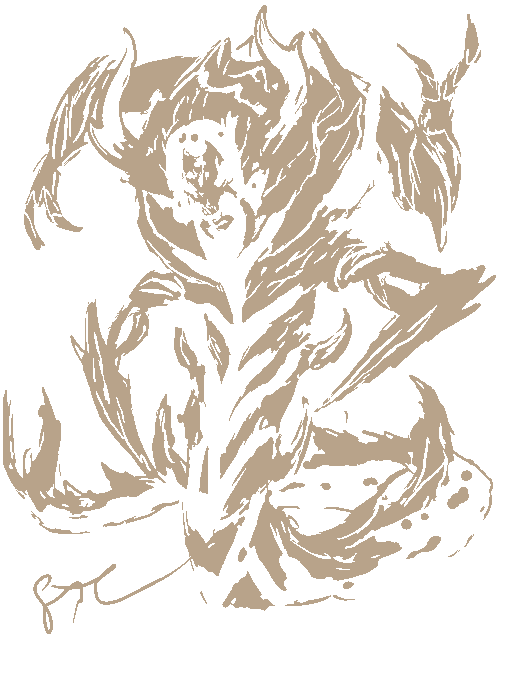
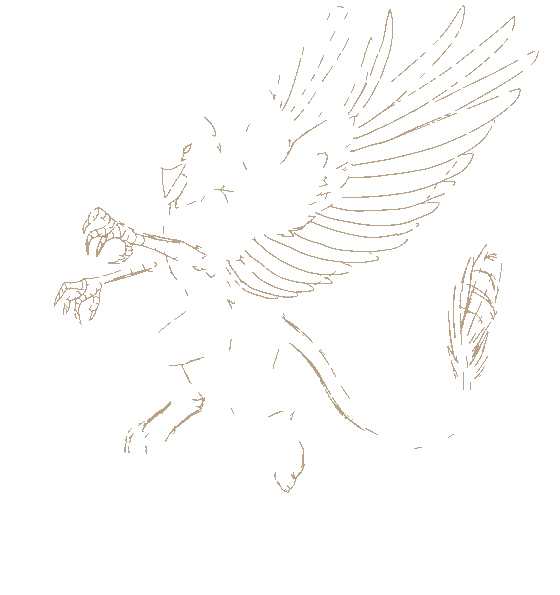
From the world of Initialize Artwork studies · illustrative card frames
Unreal Engine 5.5Windows client × Linux dedicated serverStrategy · Creatures · The Nexus
⌜The world of Initialize · development title screenExpand view ↗
01 The game
A living board. A thousand possibilities.
Creatures, resources, and the right response. A match is built one decision at a time.
Initialize has reached a playable development stage. Its foundation brings together deck building, Partner selection, rank progression, creature placement, and combat, with multiplayer playtesting already underway.
Recharge and Charge support your plays. Surge Energy and Matrix summoning open further routes. Across the board, movement, equipment, and terrain change the situation you’re playing into.
The systems behind a decision
Ⅰ
Build your position
Resources · Rank · Summoning
◇
Ⅱ
Shape the board
Movement · Equipment · Terrain
◇
Ⅲ
Find your response
Combat · Guard · The Nexus
A view of the connected systems, rather than a fixed turn sequence.
Inside a match
Strategy, in motion.
Actual development captures. Rules, interface, and balance continue to evolve.
⌜Multiplayer playtest · the board and player resourcesExpand view ↗
⌜Multiplayer playtest · a Battle Reaction decisionExpand view ↗
The Nexus response system
A move is only the beginning.
Effect chains, response priority, and timing windows give players opportunities to answer before effects resolve. Shared prompts handle card choices, destinations, trigger order, and optional effects.
Action→Response→Resolution
02 The cards
A growing collection. Distinct ways to play.
The current development catalogue holds 52 cards. Together, they exercise movement, recovery, status effects, stat modifiers, Partner skills, Matrix arrival effects, terrain tiers, awakening, and overtaking.
Printed definitions provide the starting point. Each live card instance tracks its current stats, damage, statuses, equipment, position, and ability usage.
Equipment study
Creature study ◇Uzek ◇ ◇ ◇
Drawn from the game’s original concept art
The development catalogue
52cards in development
Creatures
26
Attack cards
07
Sigils
05
Equipment
04
Battle Reactions
04
Matrix creatures
04
Terrains
02
Catalogue counts as of October 17, 2026. Card interactions continue to receive targeted verification and play review.
Beyond the board
A player. A Partner. A place in the world.
Deck building, Partner selection, profiles, avatar presentation, and lobby preparation support the journey into a match.
Development interfaces and environments; presentation is still being refined.
⌜Player profile · interface in developmentExpand view ↗⌜Avatar and environment · development explorationExpand view ↗
03 The intelligence foundation
Observe. Decide. Make a move.
Meet LAMD, the game’s implemented control interface for automated players.
Human input and LAMD actions reach the same server-authoritative gameplay processors. The server validates actions, manages resources, resolves effects, and determines match outcomes.
LAMD provides the observations and legal moves a future decision system needs, while filtering information the acting player should not receive.
01 / Observe
Read the game.
BuildGameView
A player-specific snapshot of the board, resources, phase, priority, and pending decisions.
02 / Find available moves
See the possibilities.
EnumerateLegalActions
Concrete legal actions for the current situation, including the parameters each move requires.
03 / Act
Commit a decision.
SubmitAction
The selected move goes through the shared authoritative routes used by gameplay.
New state → next observation
Implemented & tested
The interface is in place.
Summoning, attacks, responses, guarding, movement, abilities, terrain, and effect prompts are supported. A JSON layer serializes observations and actions.
Planned
The CPU brain comes next.
The strategic CPU decision system and a player-facing versus-CPU mode remain planned work. Automated match drivers currently exercise gameplay and detect inconsistencies.
The CPU direction is an authored system that scores legal moves against tactical priorities. CPU-seat integration, scheduling, action evaluation, and difficulty tuning remain ahead. External AI integrations would also need transport around the JSON interface.
Recorded verification / October 16, 2026
Built. Played. Put to the test.
17targeted regression tests passed
2complete LAMD-driven matches
1,356accepted actions in those matches
22/22current action types exercised
No advertised-action rejections, JSON divergences, choice timeouts, phase-order errors, or invariant failures were recorded in those two runs.
The October 17 card-schema and preview work also passed nine selected tests, including seven LAMD card-rule regressions.
These results cover the recorded tests and runs. Human interactions, packaged multiplayer behavior, and the full range of card combinations still require continued testing. They do not establish the strength of an intelligent opponent.
04 Development journal
A working foundation. Still becoming.
Built in Unreal Engine 5.5 with C++ core gameplay and Blueprint presentation. Windows clients and Linux dedicated servers have been built and deployed for playtesting.
The current focus is consistent rules, clearer card information, better player interactions, and the foundation for a future CPU opponent.
Completed locally
Bringing the rules into focus.
Reviewed card rules now connect to the runtime DataTable, gameplay instances, replicated information, and card layouts. Authored costs, timing, limits, descriptions, and behavior are more closely aligned.
Duplicate card fields have been consolidated. Deck-builder previews receive complete printed information through a public catalogue. Card faces show current values, inspection popups compare current and base values, and long creature, Partner, and Matrix descriptions can scroll.
◇ Awaiting build verification
The next playtest matters.
Source fixes have been prepared for Partner-skill popup activation and combined Guard plus Flash Guard interactions. Acceptance in a subsequent packaged multiplayer build is still outstanding.
The latest schema and preview changes have not yet entered a new deployed release. Future packaging requires matching client and server builds.
↗ Up next
Refine. Verify. Keep playing.
Continue multiplayer playtesting, verify recent interaction fixes, and make card presentation clearer. Equal ATK/DEF outcomes and counter-damage sequencing still need design confirmation.
From that foundation: CPU-seat integration, tactical action scoring, scheduling, and difficulty tuning.
A world in the making. One considered move at a time.